
In today’s fast-moving digital world, businesses are constantly looking for smarter ways to connect with customers and increase revenue. One of the biggest shifts in recent years has been the rise of AI Tools for Sales & Marketing, which are helping companies automate processes, improve targeting, and make better decisions. These tools are no longer limited to large corporations small and medium businesses are also adopting them to stay competitive.
From generating leads to closing deals, AI is changing how sales and marketing teams operate. It reduces manual effort, improves accuracy, and allows teams to focus on strategy rather than repetitive tasks. As a result, companies are seeing faster growth and better customer engagement.
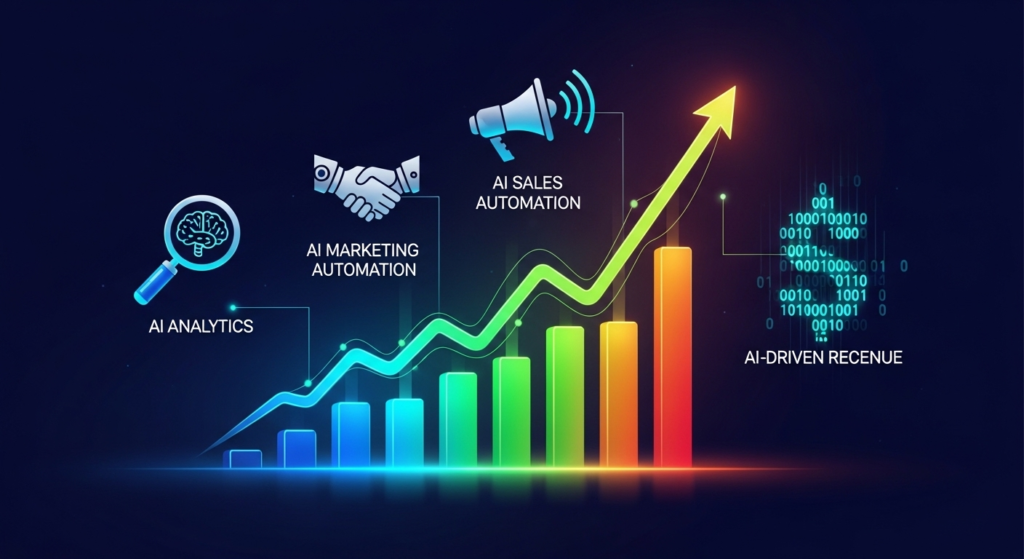
How AI Tools Are Changing Sales Processes
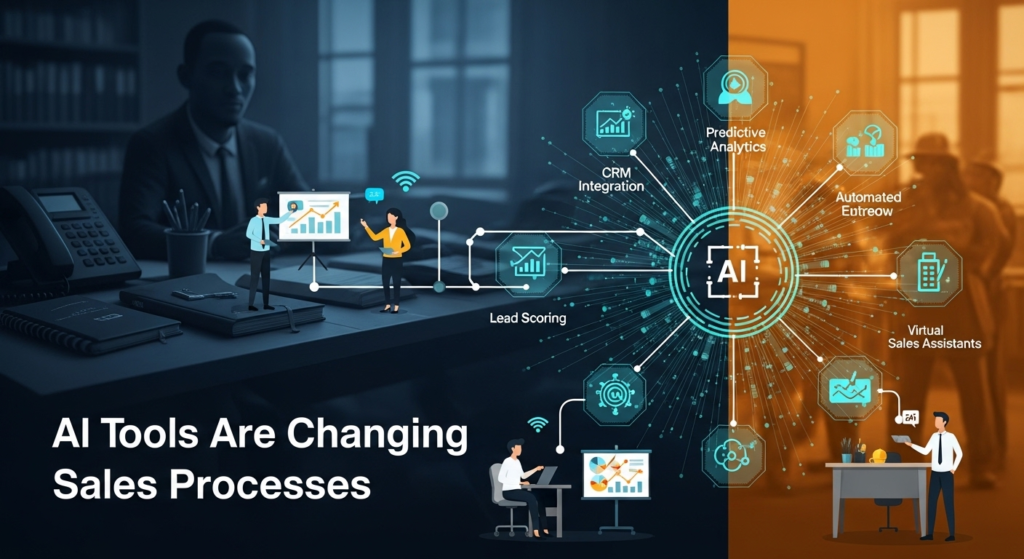
Sales teams have traditionally relied on manual research, cold calls, and follow-ups. However, with AI Tools for Sales & Marketing, much of this work can now be automated. AI systems can analyze customer data, predict buying behavior, and suggest the best time to contact prospects.

These tools also help in lead scoring, which means identifying which potential customers are most likely to convert. Instead of wasting time on unqualified leads, sales teams can focus on high-value opportunities. This not only saves time but also improves conversion rates significantly.
Another key benefit is automation of follow-ups. AI tools can send personalized emails, reminders, and messages based on customer behavior. This ensures that no lead is missed and every opportunity is properly nurtured.
Role of AI in Marketing Campaigns
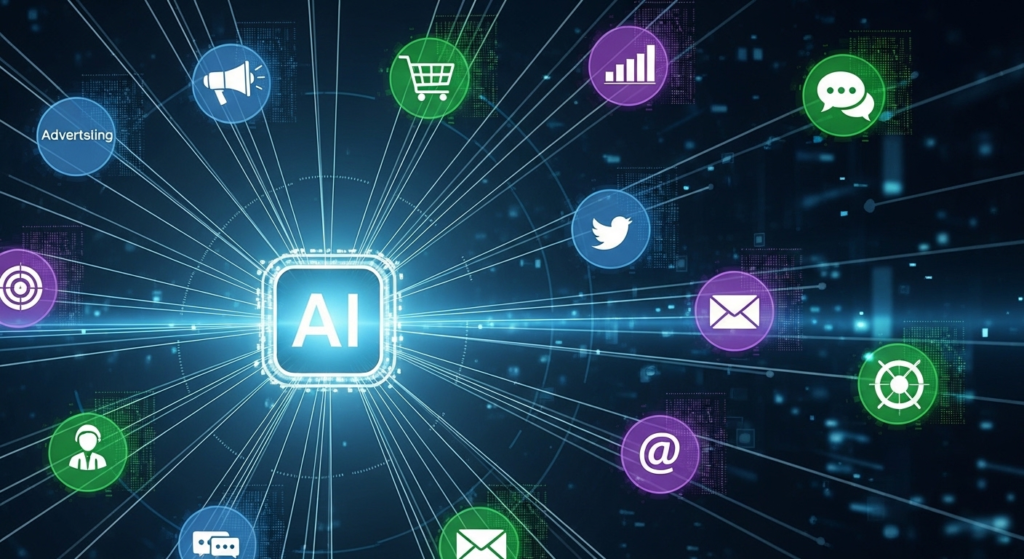
Marketing has become more data-driven than ever, and AI plays a major role in this transformation. With AI Tools for Sales & Marketing, businesses can create highly targeted campaigns based on customer preferences, behavior, and past interactions.
AI helps marketers understand what content works best for different audiences. It can analyze large amounts of data and provide insights on customer interests, allowing brands to deliver personalized messages. This leads to better engagement and higher return on investment.
Content creation is another area where AI is making an impact. Many tools can generate ad copies, social media posts, and even email campaigns. While human creativity is still important, AI speeds up the process and ensures consistency across platforms.
Key Features of AI Sales & Marketing Tools
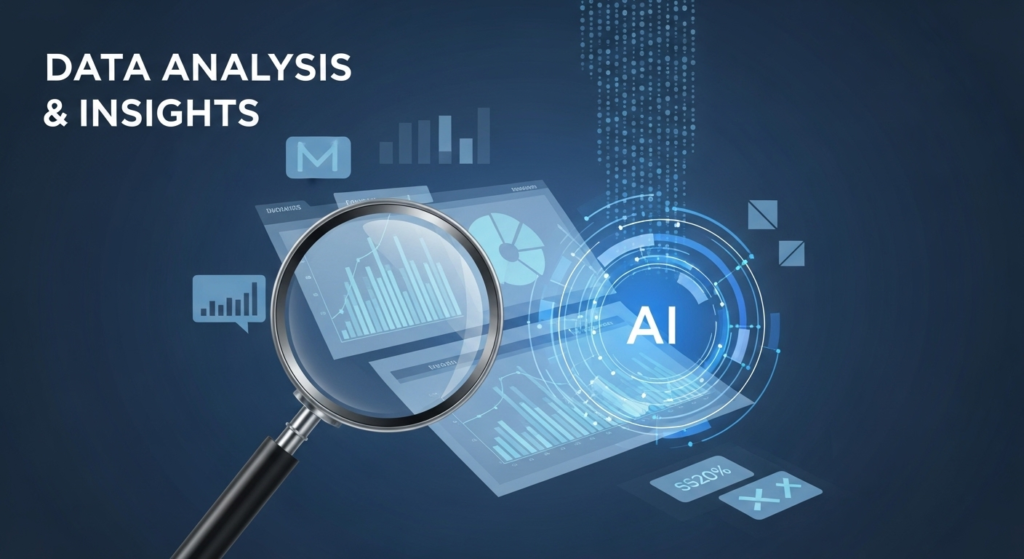
AI tools come with a wide range of features that make them valuable for businesses of all sizes. Some of the most important capabilities include:
- Lead generation and scoring
- Customer segmentation
- Automated email marketing
- Chatbots for customer support
- Predictive analytics
- Performance tracking and reporting
These features help businesses streamline their operations and make informed decisions based on real-time data.
Common Applications Across Businesses
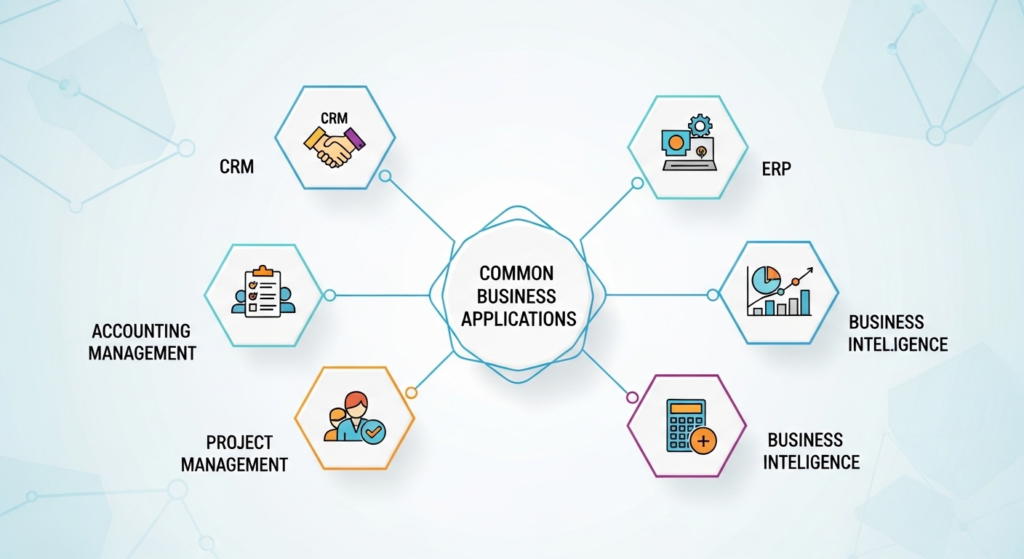
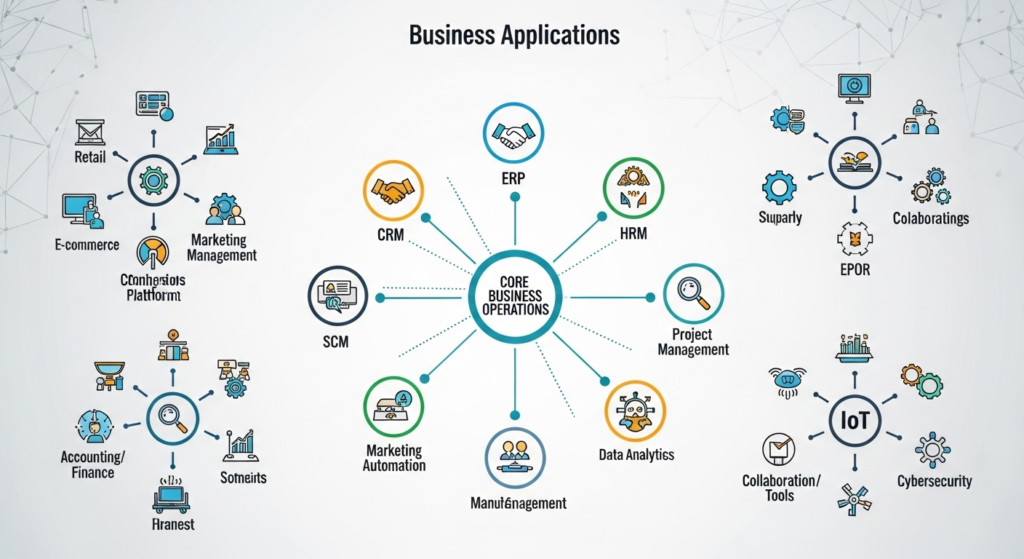
Different industries are using AI tools in different ways, depending on their needs. However, some common applications can be seen across sectors.
In e-commerce, AI tools recommend products based on user behavior. In service-based businesses, chatbots handle customer queries instantly. In B2B companies, AI helps identify potential clients and manage long sales cycles.
Below is a simple table showing how AI tools are applied in different areas:
| Business Area | AI Application | Benefit |
|---|---|---|
| Lead Generation | Predictive lead scoring | Better conversion rates |
| Email Marketing | Automated personalized emails | Higher engagement |
| Customer Support | AI chatbots | Faster response time |
| Social Media | Content suggestions & scheduling | Consistent online presence |
| Analytics | Data insights & performance tracking | Improved decision-making |
Benefits of Using AI Tools for Sales & Marketing
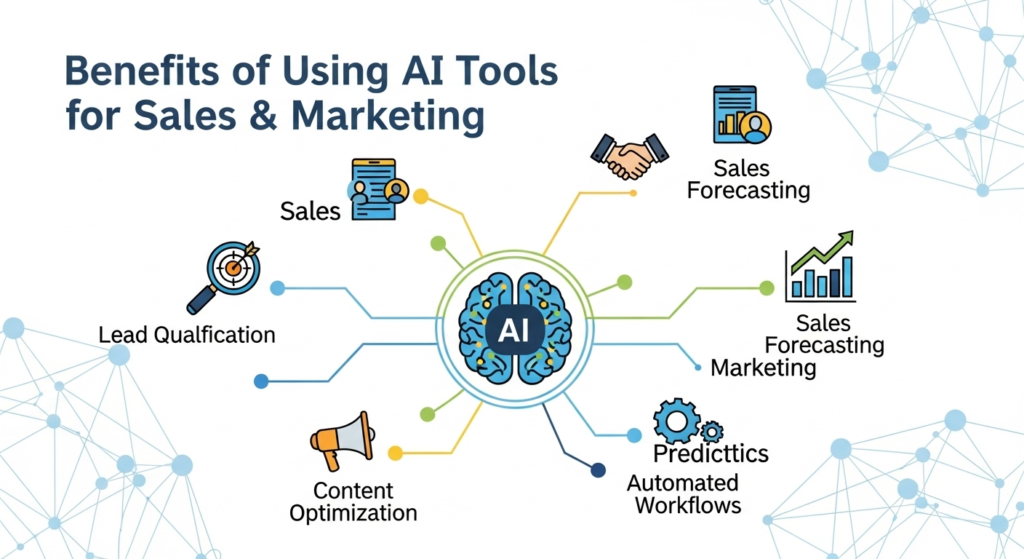
The adoption of AI tools brings several clear advantages for businesses. One of the biggest benefits is efficiency. Tasks that once took hours can now be completed in minutes, allowing teams to focus on strategy and creativity.
Another major advantage is personalization. Customers today expect brands to understand their needs. AI makes it possible to deliver tailored experiences at scale, which improves customer satisfaction and loyalty.
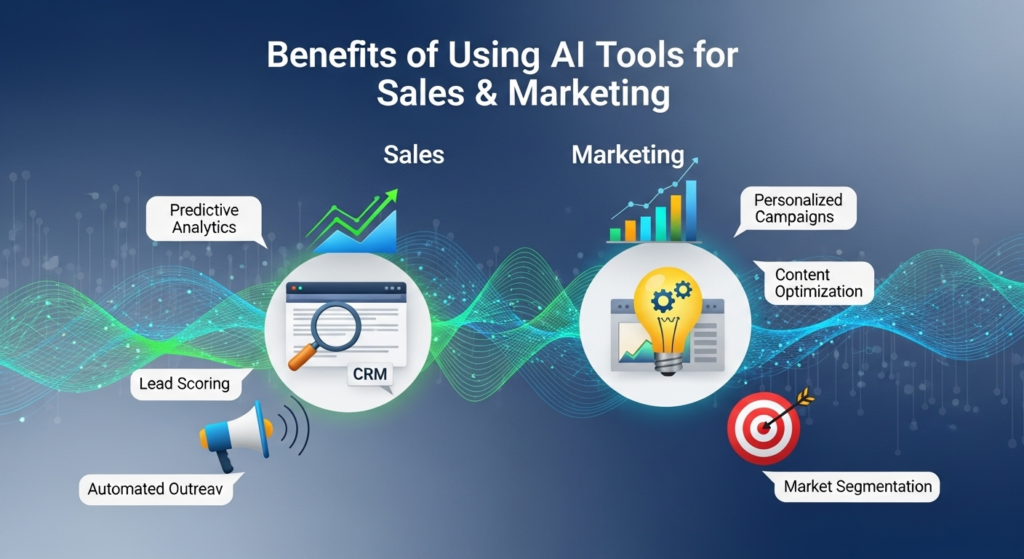
Cost reduction is also an important factor. By automating repetitive tasks, businesses can reduce operational costs while improving output. Additionally, AI tools provide accurate data insights, reducing the chances of errors in decision-making.
Challenges and Considerations
While AI tools offer many benefits, there are also some challenges that businesses need to consider. One of the main concerns is data privacy. Since AI relies heavily on customer data, companies must ensure that they handle this information responsibly.
Another challenge is implementation. Adopting AI tools requires proper training and integration with existing systems. Without the right approach, businesses may not fully benefit from these technologies.
There is also a need for human oversight. AI can automate processes, but it cannot replace human judgment entirely. Businesses must strike the right balance between automation and human involvement.
Future of AI in Sales & Marketing

The future of AI Tools for Sales & Marketing looks promising as technology continues to evolve. More advanced tools are being developed that can understand customer behavior in real time and provide instant recommendations.
Voice assistants, advanced chatbots, and AI-driven analytics are expected to become even more common. Businesses that adopt these tools early are likely to gain a competitive advantage in their industries.

As AI becomes more accessible, even small businesses will be able to leverage its power. This will create a more level playing field, where success depends on how effectively companies use technology rather than just their size.
Conclusion
The rise of AI Tools for Sales & Marketing marks a significant shift in how businesses operate and grow. These tools are helping companies automate processes, improve targeting, and make data-driven decisions. From lead generation to customer engagement, AI is transforming every stage of the sales and marketing journey.
This development matters because it allows businesses to work smarter, not harder. By using AI, companies can deliver better experiences to customers while improving efficiency and reducing costs. Going forward, the role of AI will only continue to expand, making it an essential part of modern business strategies.
Businesses that understand and adopt these tools effectively will be better positioned to succeed in an increasingly competitive market.