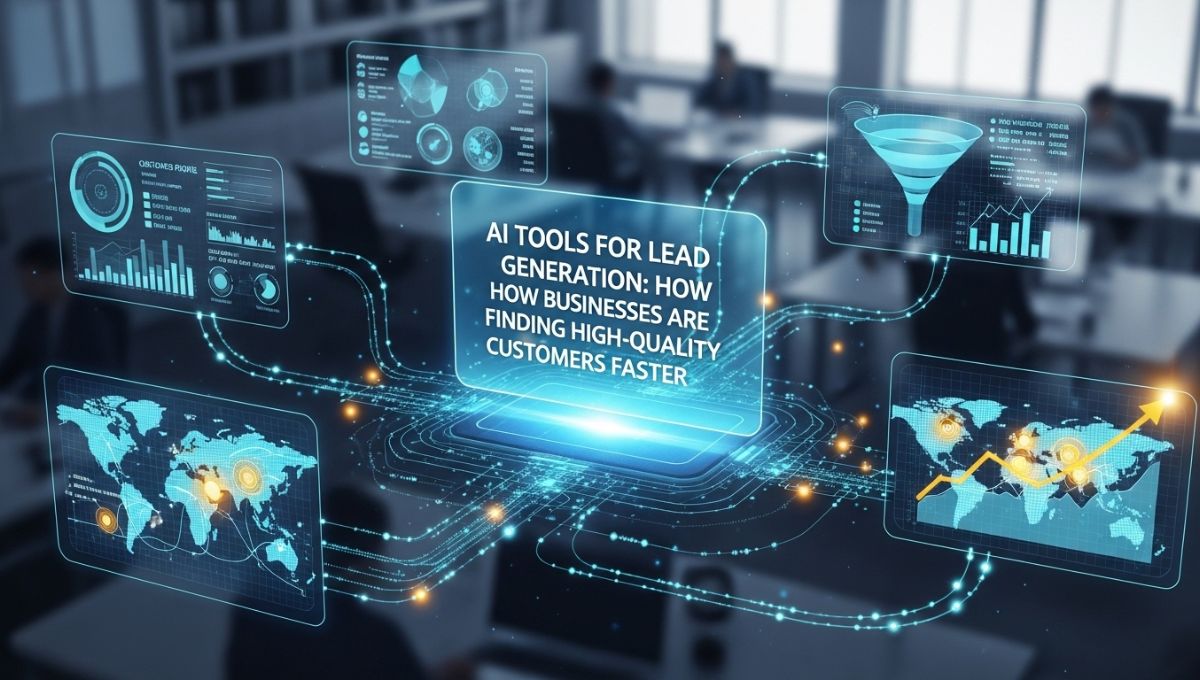
Businesses today are shifting their focus from reaching a large audience to targeting the right audience. This change has increased the use of AI tools for lead generation, which help identify, attract, and convert potential customers more efficiently. Instead of relying on manual outreach methods, companies now use artificial intelligence to analyze data, understand customer behavior, and improve the overall lead generation process.
Lead generation plays a critical role in business growth. Without a steady flow of potential customers, sales performance remains limited. AI tools simplify this process by making it faster, more accurate, and more scalable. As a result, businesses can focus on quality leads rather than quantity.
Growing Adoption of AI in Lead Generation
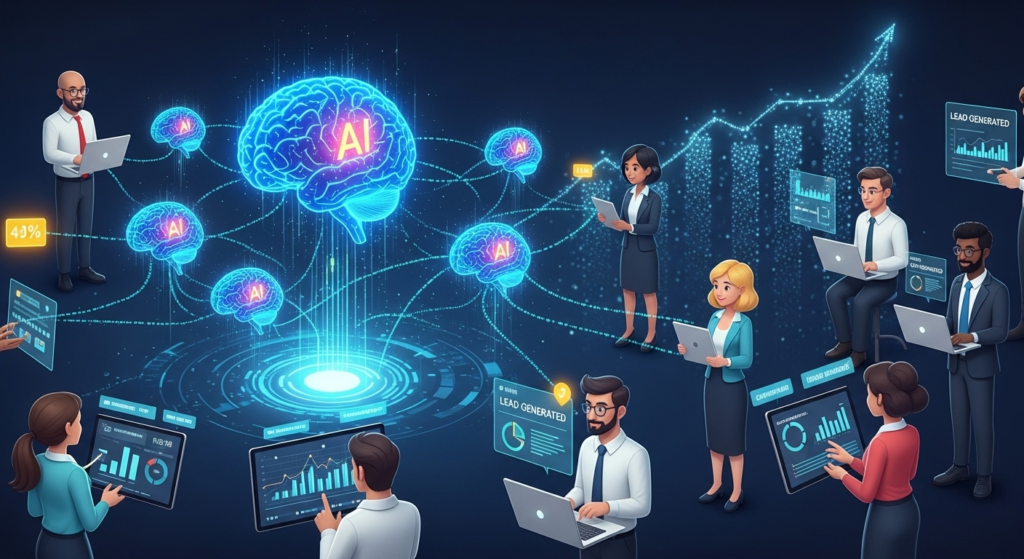
The adoption of AI in lead generation has increased significantly in recent years. Businesses are moving away from traditional methods such as cold calling and generic email campaigns, which often produce low response rates. AI tools allow companies to target specific audiences based on behavior, interests, and engagement patterns.
Platforms like ChatGPT and HubSpot are helping businesses automate communication and manage leads effectively. These tools collect and analyze data from various sources, allowing businesses to make informed decisions.
AI also reduces manual effort. Instead of spending time searching for potential customers, businesses can rely on AI systems to identify and qualify leads automatically. This improves efficiency and saves valuable time.
How AI Tools Improve Lead Generation
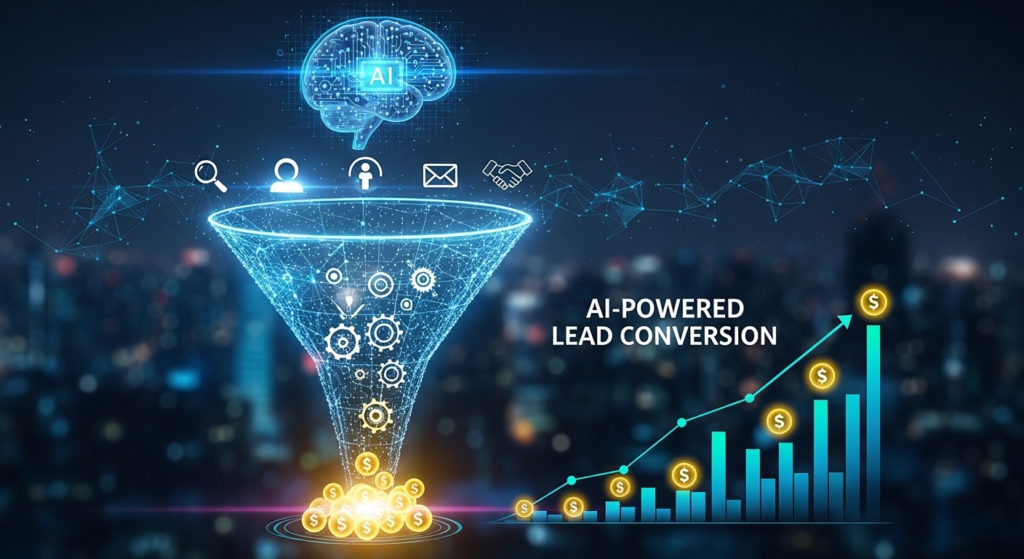
AI tools improve lead generation by making the process more structured and data-driven. They help businesses understand customer behavior and take actions that increase conversion rates.
Identifying High-Quality Leads
AI tools analyze user activity such as website visits, clicks, and engagement levels. This data helps businesses identify individuals who are more likely to become customers. Instead of targeting a broad audience, companies can focus on users who show genuine interest.
This targeted approach increases efficiency and improves conversion rates.
Automating Customer Interaction
AI chatbots handle initial communication with potential customers. Tools like ChatGPT can answer questions, provide product details, and guide users through the buying process. This ensures that no lead is missed.
Automation also allows businesses to respond instantly, improving customer experience.
Personalizing Marketing Campaigns
AI tools enable businesses to create personalized marketing messages based on customer preferences and behavior. Instead of sending generic emails, companies can deliver content that matches individual interests.
This improves engagement and increases the chances of conversion.
Managing and Tracking Leads
AI-powered CRM tools such as HubSpot help organize and track leads throughout the sales process. Businesses can monitor interactions, follow up at the right time, and manage customer relationships more effectively.
This structured system ensures better control and higher efficiency.
Common AI Tools Used for Lead Generation
Businesses use a variety of AI tools to manage different aspects of lead generation. The table below highlights some commonly used tools and their functions.
| Tool Name | Main Function | Use Case |
|---|---|---|
| ChatGPT | Communication and automation | Chatbots, responses |
| HubSpot | CRM and lead tracking | Lead management |
| Zoho CRM | Customer relationship management | Sales tracking |
| Mailchimp | Email automation | Campaign management |
| LinkedIn Sales Navigator | Lead discovery | B2B targeting |
These tools are widely used because they are easy to integrate into existing systems and provide measurable results.
Benefits of Using AI Tools for Lead Generation
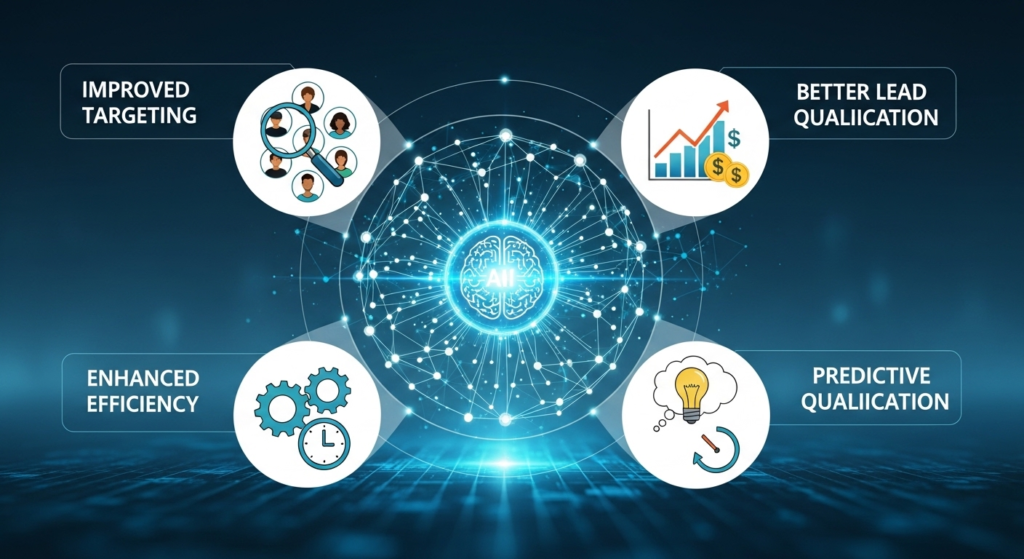
The use of lead generation AI tools offers several advantages that directly impact business performance. One of the main benefits is time efficiency. AI automates repetitive tasks such as data collection, communication, and follow-ups, allowing businesses to focus on more important activities.
Another benefit is improved accuracy. AI tools analyze large volumes of data and identify patterns that may not be visible through manual analysis. This helps businesses target the right audience and reduce wasted efforts.
Cost efficiency is also a major advantage. Businesses can reduce expenses related to manual marketing and outreach. AI tools handle multiple tasks simultaneously, reducing the need for large teams.
Scalability is another key benefit. As the business grows, AI tools can manage increased data and lead volume without requiring significant changes. This makes expansion easier and more manageable.
Challenges in Using AI for Lead Generation

While AI tools offer many advantages, businesses may face challenges during implementation. One common issue is the lack of understanding of how these tools work. Without proper knowledge, businesses may not use them effectively.
Another challenge is data quality. AI tools depend on accurate and complete data. If the data is incorrect or outdated, the results may not be reliable.
Integration can also be a concern. Businesses need to ensure that AI tools work well with their existing systems. This may require time and technical support.
Data privacy is another important factor. Businesses must handle customer information carefully and follow data protection regulations. This requires proper planning and responsible usage.
How Businesses Are Implementing AI in Lead Generation
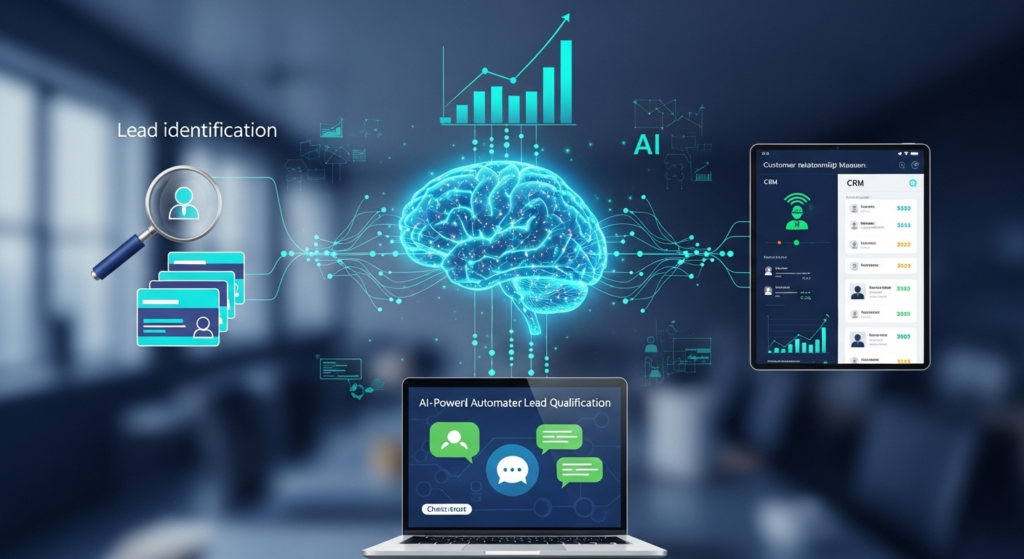
Businesses are adopting AI tools gradually. They often start with basic tools such as chatbots or email automation systems and then expand to advanced tools like CRM platforms and analytics software.
This step-by-step approach helps businesses understand how each tool works and how it fits into their overall system. It also reduces the risk of confusion and inefficiency.
Many businesses are also combining AI with human effort. AI handles repetitive tasks, while human teams focus on building relationships and closing deals. This balance improves overall performance.
Importance of Strategy in AI Lead Generation
Using AI tools alone does not guarantee success. Businesses need a clear strategy to achieve the best results. This includes defining the target audience, setting clear goals, and selecting the right tools.
A well-planned strategy ensures that AI tools are used effectively. It also helps in tracking performance and making improvements when needed.
Without a strategy, businesses may use multiple tools without achieving meaningful outcomes.
Future of AI in Lead Generation

The role of AI in lead generation is expected to grow further. New tools will offer better automation, improved personalization, and deeper insights into customer behavior.
Businesses will be able to understand their customers more accurately and respond more quickly. This will lead to better engagement and higher conversion rates.
AI will also become more accessible, allowing small and medium businesses to use advanced tools without requiring large investments.
Conclusion
The adoption of AI tools for lead generation is transforming how businesses identify and connect with potential customers. These tools make the process faster, more accurate, and more efficient by automating tasks and analyzing data. From identifying high-quality leads to managing customer interactions, AI plays a crucial role in modern lead generation.

This shift is important because it allows businesses to focus on quality rather than quantity. By targeting the right audience and using data-driven strategies, companies can improve conversion rates and achieve better results.
Going forward, the use of lead generation AI tools is expected to increase as businesses continue to look for efficient ways to grow. Organizations that adopt these tools and use them effectively will be better positioned to compete in a competitive and data-driven market.