
Most people try AI tools and expect instant income. They generate content, upload it, and wait. Nothing happens. The problem is not effort. It is direction. Tools alone do not create income. They only produce output. Without a system, your work stays active and inconsistent. This creates frustration and confusion, especially when you see others claim fast results.
The reality is simpler. Income comes from structure, not randomness. This guide explains how to use AI tools as part of a clear system so your work compounds over time and turns into steady passive income instead of scattered effort.

Why Most AI Passive Income Advice Fails
Most content online focuses on tools instead of outcomes. You see lists filled with platforms like ChatGPT and Midjourney, but very few explain how these tools connect to actual income. This creates a gap between action and results. People assume that using more tools will increase earnings. They also assume that faster content production leads to faster income.
Both assumptions fail because they ignore how money flows online. Income depends on demand, visibility, and consistency. If your content does not reach the right audience, it will not generate returns. Another issue is the expectation of speed. Passive income is not instant. It builds over time through repeated output and gradual optimization. Many beginners stop early because they do not see immediate results. They think the tools do not work, but the real issue is the lack of a system that connects effort to outcome.
What “Passive Income with AI” Actually Means

Passive income does not begin as passive. It starts with structured effort and gradually shifts into automation. AI reduces the time required to create and manage content, but it does not eliminate the need for planning or execution. There are three levels to understand. The first is active income, where you use AI to deliver services such as writing, designing, or editing.
This generates quick income but requires constant input. The second level is semi-passive income, where you create assets like blogs, videos, or digital products that continue to generate value over time. AI helps accelerate production, but growth still depends on consistency and strategy.
The third level is passive income, where systems run with minimal involvement. These systems combine automation, monetization, and distribution. Most people stay stuck in the first level because they never move beyond using AI as a tool and start using it as part of a system.
The 3 Types of AI Income Models

AI income models fall into three main categories, each with a different approach and growth pattern. The content-based model focuses on creating content that attracts attention and generates revenue through ads, affiliate links, or sponsorships. Tools like ChatGPT and Runway help produce blogs, videos, and social media content efficiently. This model grows slowly but offers strong long-term scalability. The product-based model focuses on creating digital assets such as ebooks, templates, or design packs.
Tools like Midjourney allow fast creation of high-quality products. Income depends on demand, positioning, and marketing. This model can scale significantly once a product gains traction. The automation-based model focuses on building systems that run with minimal manual input. Tools like Zapier connect workflows and automate repetitive tasks. This model requires setup time but reduces effort over time and allows consistent output without constant involvement.
Best AI Tools for Passive Income (2026)

AI writing tools play a central role in content creation. ChatGPT allows you to generate blog posts, scripts, and digital products quickly. It reduces the time needed to produce high-quality content and supports consistent publishing. You can monetize this content through ads, affiliate marketing, or product sales. Jasper AI focuses more on structured marketing content.

It works well for SEO articles, landing pages, and email campaigns, making it useful for scaling content-based income systems. AI design tools help create visual assets that attract attention and generate revenue.
Midjourney produces detailed visuals that can be used for print-on-demand products, digital downloads, or branding materials. These assets can be sold repeatedly without additional effort. AI video tools expand content creation into high-growth platforms. Runway allows you to create videos without filming. You can produce faceless content for platforms like YouTube and monetize through ads or partnerships. AI voice tools add another layer of automation.

ElevenLabs generates realistic voiceovers for videos and audio content. This removes the need for recording and improves production speed. AI productivity tools improve workflow and organization. Notion AI helps manage ideas, plan content, and maintain consistency, which is essential for long-term growth.
How to Turn AI Tools Into a Passive Income System

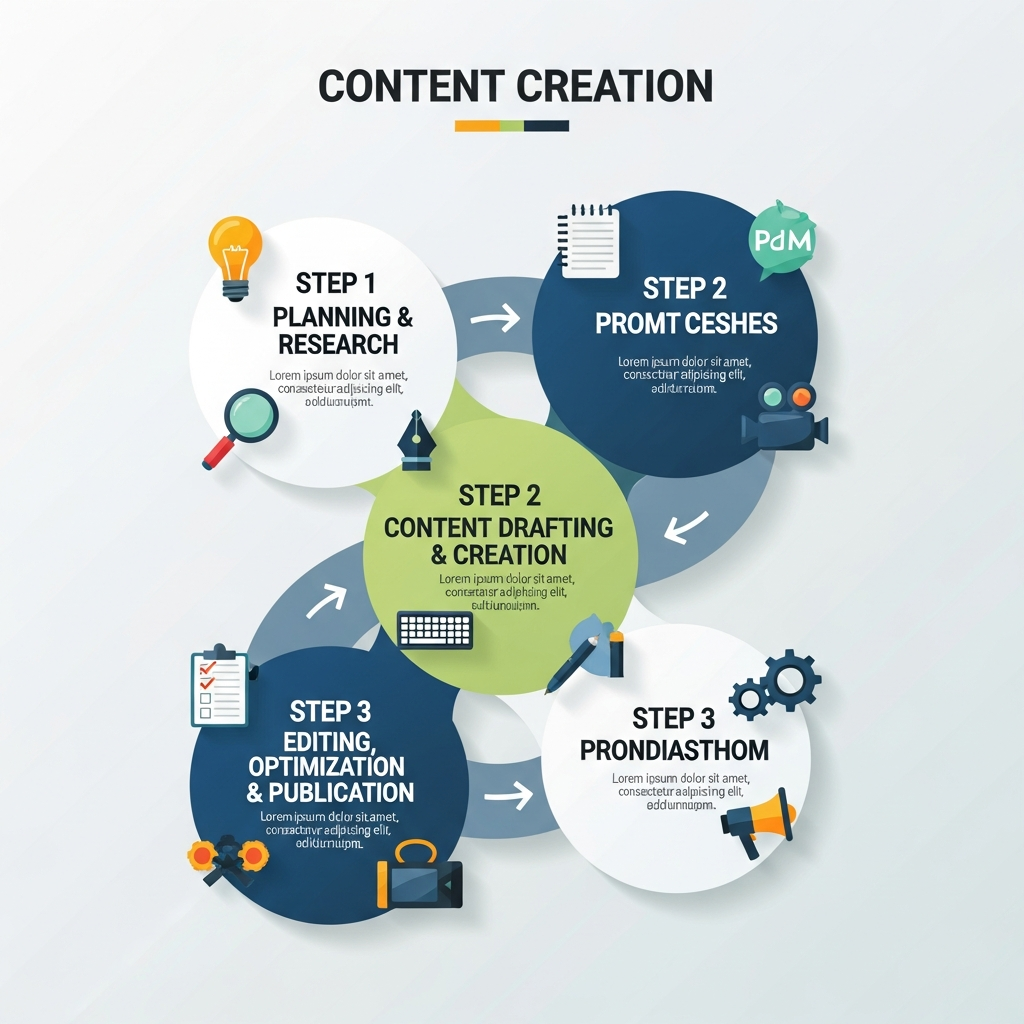
A system connects tools, content, and monetization into a single flow. The first step is choosing a niche. A focused niche helps you target a specific audience and create relevant content. Broad topics create competition and reduce clarity. The second step is content creation. Use AI tools to produce content consistently.
Quantity matters in the early stages because it increases visibility and testing opportunities. The third step is monetization. Start with one method such as ads, affiliate links, or digital products. Adding too many methods early creates complexity and reduces focus. The fourth step is automation. Tools like Zapier help schedule content, connect platforms, and reduce manual work. Automation increases efficiency and allows you to scale output. The fifth step is distribution.
Traffic determines income. Focus on search engines, social platforms, or email lists to bring consistent visitors. Without distribution, even high-quality content will not generate income. A system ensures that each step supports the next, creating a continuous flow of content, traffic, and revenue.
Real Passive Income Workflows

Simple workflows outperform complex setups. A faceless YouTube system uses AI for every step. Scripts are generated using ChatGPT, visuals are created with Runway, and voiceovers are produced using ElevenLabs. Content is then scheduled and published consistently. This system allows you to create videos without appearing on camera and build a scalable content channel.
Another workflow focuses on blogging. Keyword research identifies topics, AI tools generate articles, and SEO strategies improve visibility. Monetization comes from affiliate links or ads. Over time, traffic grows and generates recurring income.
A third workflow involves digital products. AI tools help create templates, guides, or design assets. These products are listed on marketplaces or personal websites. Once created, they can be sold repeatedly without additional effort. Each workflow follows the same principle. Content attracts attention, systems handle distribution, and monetization converts traffic into income.
Why Most People Fail With AI Income

Failure usually comes from a lack of structure rather than a lack of tools. Many people jump between ideas without committing to one system. They chase trends instead of building consistent output. They also expect quick results and lose motivation when income does not appear immediately. Another common mistake is ignoring niche selection.
Without a clear audience, content lacks direction and fails to connect. The biggest issue is distribution. Creating content is only one part of the process. Without traffic, there is no income. Many people focus entirely on production and ignore promotion. This creates a gap between effort and results. Success requires patience, consistency, and a focus on systems rather than tools.
The Real Advantage: Income Stacking with AI
Relying on a single income source limits growth. Income stacking combines multiple streams within one system. For example, a blog can generate revenue from ads, affiliate links, and digital products. A YouTube channel can generate income from ads, sponsorships, and product sales. Each layer increases total income without increasing workload significantly.
AI makes it easier to manage multiple streams because it reduces the time required for creation and management. Once a system works, you can expand it by adding new monetization methods. This creates a compounding effect where income grows over time while effort remains stable. Income stacking turns simple systems into scalable assets.
Conclusion

AI tools have changed how people build income systems. They reduce effort, speed up production, and allow consistent output. However, tools alone do not generate income. A structured approach that combines niche selection, content creation, monetization, automation, and distribution creates real results. Passive income grows through repetition and optimization, not shortcuts.

When you use AI as part of a system, your work compounds over time and becomes more efficient. This shift from random effort to structured execution turns AI from a simple tool into a long-term income engine that continues to generate value with less effort.