
Most AI tools call themselves free. Most are not not in any way that generates income.
Two categories exist. The first: genuinely free tools that let you produce sellable output with zero cost and commercial rights included. The second: freemium demos that give you enough to test but not enough to earn. You need to know the difference before you spend a single hour learning any tool.
The test is simple. Ask two questions before you invest time in anything:
Can I produce sellable output on the free plan without a watermark and without a daily limit so low it blocks real work?
Does the free plan allow commercial use? This question trips up most beginners. A tool can be free and still legally prevent you from selling what it makes.
Several major image generators, for example, restrict commercial use to paid subscribers. Use the free tier to build your portfolio and practice your skills. Switch to a paid plan before you sell a single output.
Tools like Canva AI and Adobe Firefly train on licensed content, which gives them cleaner commercial rights on their free tiers. ChatGPT assigns content ownership to the user at every plan level. CapCut exports full HD video with no watermark and no commercial restriction — completely free.
Knowing this framework before you pick a tool saves weeks of wasted effort.
The 10 Best Free AI Tools to Make Money Online in 2026
| Tool | Free Tier Limit | Best Income Use | Commercial Use on Free Plan? |
|---|---|---|---|
| ChatGPT | GPT-4o mini, limited messages/day | Freelance writing, scripts, research | Yes |
| Canva AI | 250,000+ templates, Magic Design included | Social graphics, digital products, templates | Yes (Canva-trained assets) |
| CapCut | No watermark, no time limit, full HD | Faceless YouTube, Reels, TikTok content | Yes |
| ElevenLabs | 10,000 characters/month | Portfolio voiceovers, sample reels | Portfolio only — upgrade to sell |
| Leonardo.ai | 150 image credits/day | POD designs, digital art, thumbnails | Yes |
| Gamma | 400 credits (~10 full decks) | Pitch decks, proposals, one-pagers | Yes |
| Google Gemini | Unlimited (1.5 Flash) | Research, outlines, multilingual content | Yes |
| Perplexity AI | Unlimited standard searches | Paid research summaries, fact-checking | Yes |
| NotebookLM | Fully free, no limits | Document analysis, client research briefs | Yes |
| Suno | 50 songs/day | AI music licensing, background tracks | Personal use only on free plan |
ChatGPT

ChatGPT handles the highest volume of text-based income tasks of any tool on this list. Use it to write blog outlines, draft client emails, build freelance proposals, create social captions, and produce full article drafts.
The free tier runs on GPT-4o mini — capable enough for most income-generating work. The key mistake beginners make is treating it as a content machine. Paste, submit, and send without editing. That approach earns nothing. Clients pay for judgment and accuracy, not raw AI text.
Use ChatGPT as a first-draft engine. You provide the direction, the specific knowledge, and the editing pass that turns generic output into something worth paying for. That combination earns real rates.
Canva AI
Canva’s free tier includes Magic Design — type a text prompt and it generates eight to twelve fully designed, editable slides or graphics in seconds. It auto-matches images to your text and applies a cohesive colour palette. No design background required.
Social media managers use Canva’s free tier to produce weekly content packages for multiple clients. Digital product sellers use it to format ebooks, planners, and template packs into professional PDFs. Neither group pays a single month of subscription to start.
The upgrade trigger for Canva is specific: when clients need your brand kit applied across all outputs, or when you need premium elements not included in the free library. Until then, the free plan produces fully sellable work.
CapCut
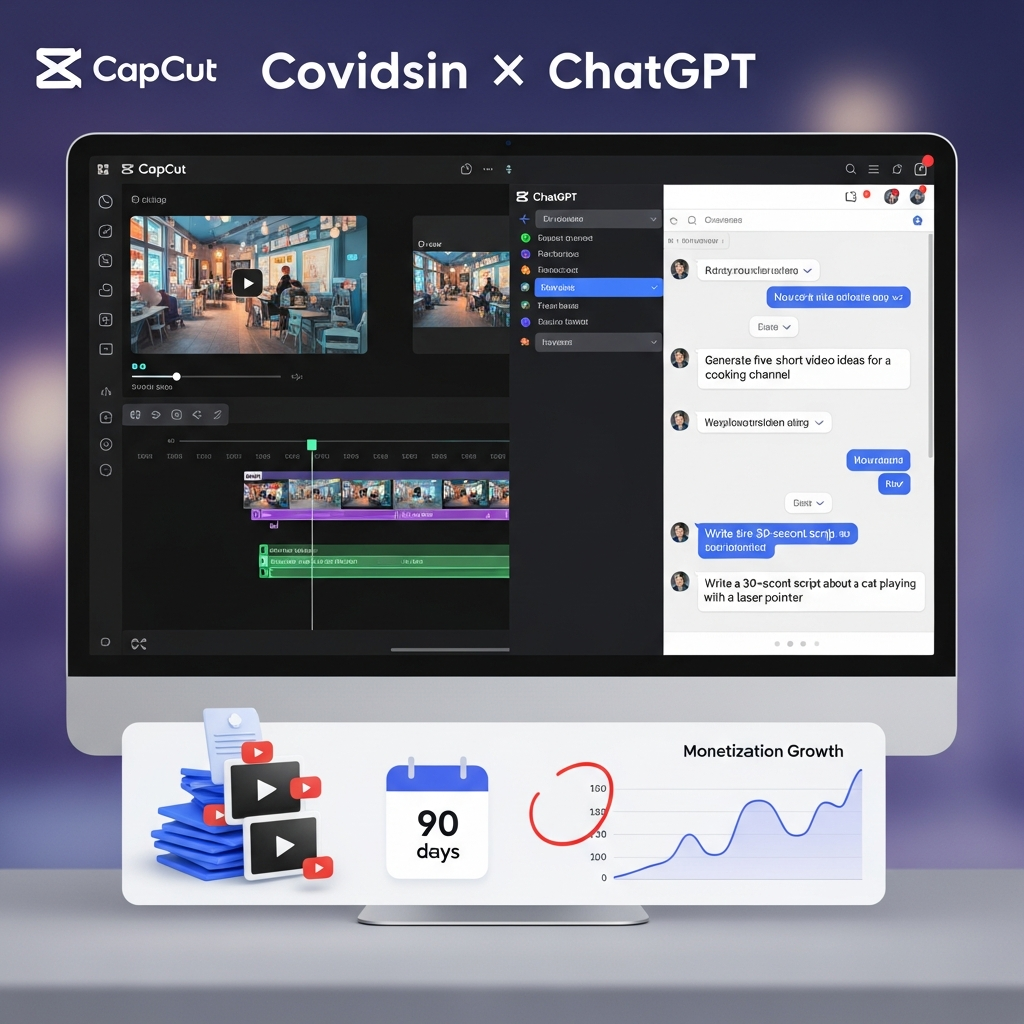
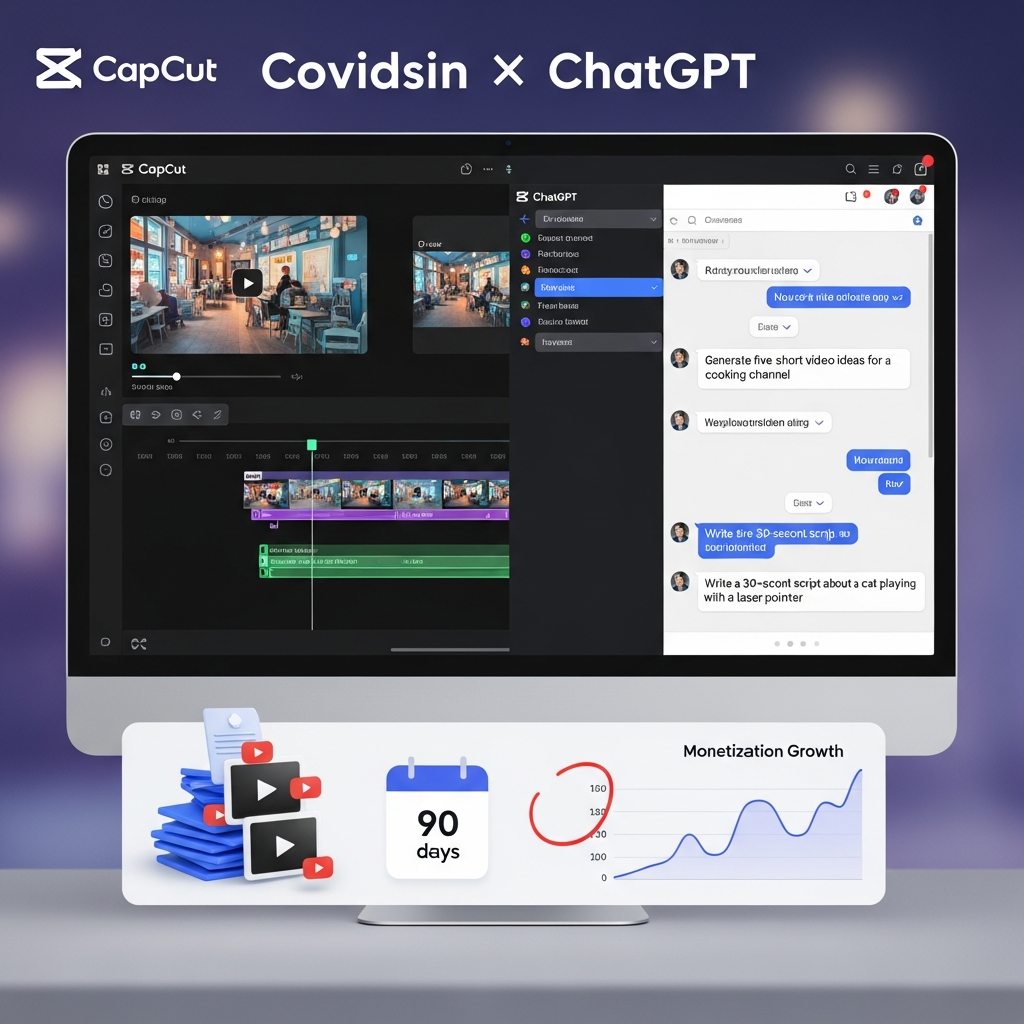
CapCut is the most undervalued tool on this list. It is the only major video editor that exports full HD video with zero watermarks, zero time limits, and full AI features — completely free.
Compare this to Pictory and InVideo, which both watermark free-tier exports. That single difference makes those tools unusable for income generation until you pay. CapCut removes that barrier entirely.
The free features include auto-subtitles, auto-reframe for different aspect ratios, AI-generated captions, background noise removal, and speed adjustment. These are the exact features needed to produce faceless YouTube content, short-form Reels, and TikTok videos without any production experience.
Beginners who use CapCut and ChatGPT together can produce five to ten short videos per day. That output level is enough to grow a monetisable channel within 90 days on most platforms.
ElevenLabs
ElevenLabs produces the most realistic AI voices available in 2026. The free tier allows 10,000 characters per month — realistic for building a sample reel and testing your workflow, but not for client work at scale.
Use the free plan to create three to five strong voice samples in different styles. Post those samples on Fiverr or your portfolio. Once a client confirms interest, upgrade to the Starter plan at $5/month and fold that cost into your project quote. The paid plan allows full commercial use.
Do not attempt to sell free-tier ElevenLabs output to clients. The licence restricts commercial use to personal and portfolio purposes on the free plan.
Leonardo.ai

Leonardo.ai generates 150 image credits per day on the free plan — a genuinely useful allowance for print-on-demand sellers, thumbnail designers, and digital art creators.
The quality rivals paid generators for most commercial use cases. Use it to create designs for Etsy print-on-demand, YouTube thumbnails, social media graphics, and digital art packs. The free tier includes commercial rights, which makes it one of the strongest free tools for visual income.
Niche your designs tightly. Vintage travel posters, pet portraits, and gaming-themed art consistently outsell generic designs because they serve buyers who know exactly what they want.
Gamma
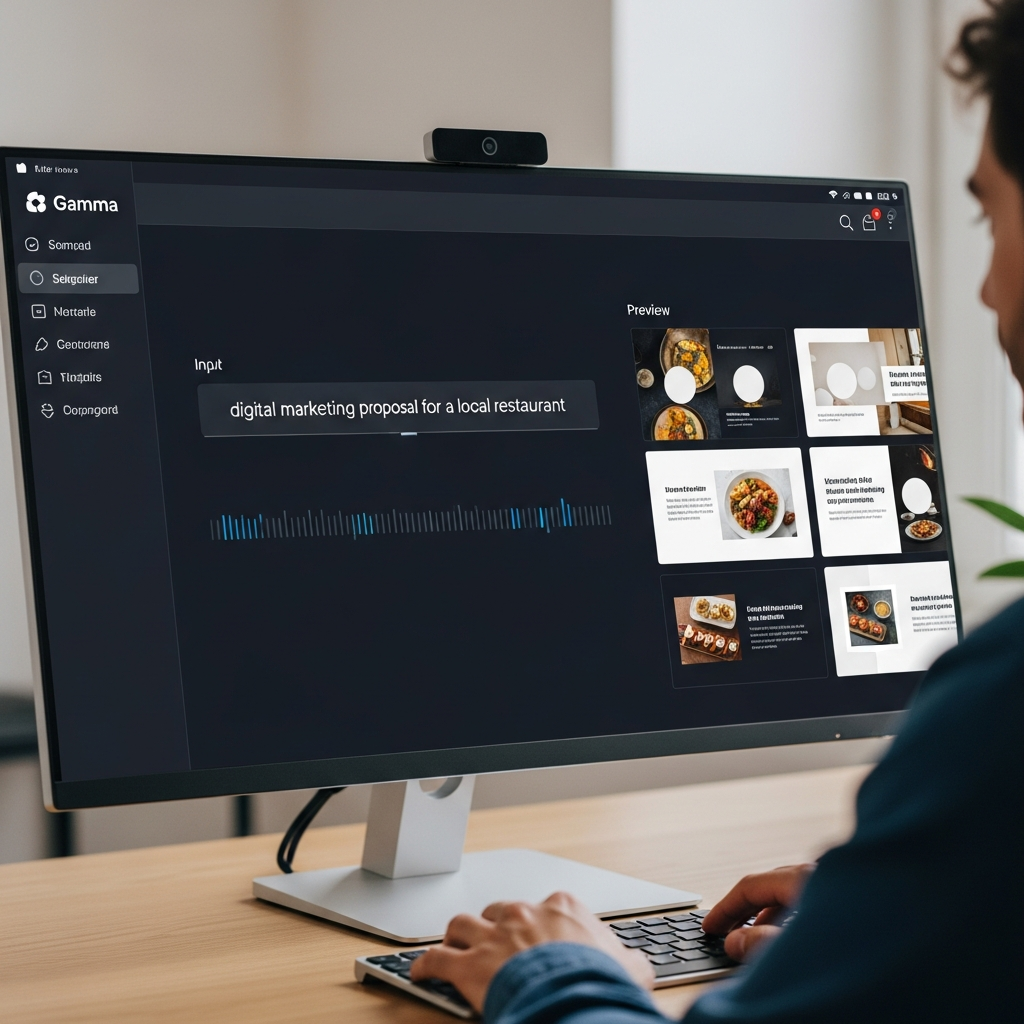
Gamma generates complete slide decks, proposals, and one-pagers from a single sentence. Type “digital marketing proposal for a local restaurant” and it outputs twelve slides with images, layout, and copy — ready to refine and deliver.
Most beginner guides ignore this tool entirely. The income opportunity is clear: businesses need pitch decks and proposals constantly. A freelance consultant who charges €150 per deck and uses only Gamma’s free tier has zero tool costs and a high effective hourly rate.
The free plan includes 400 credits — around ten complete decks. That is enough to land your first three to five clients and generate your first €500–€800 before you need to decide whether to upgrade.
Perplexity AI
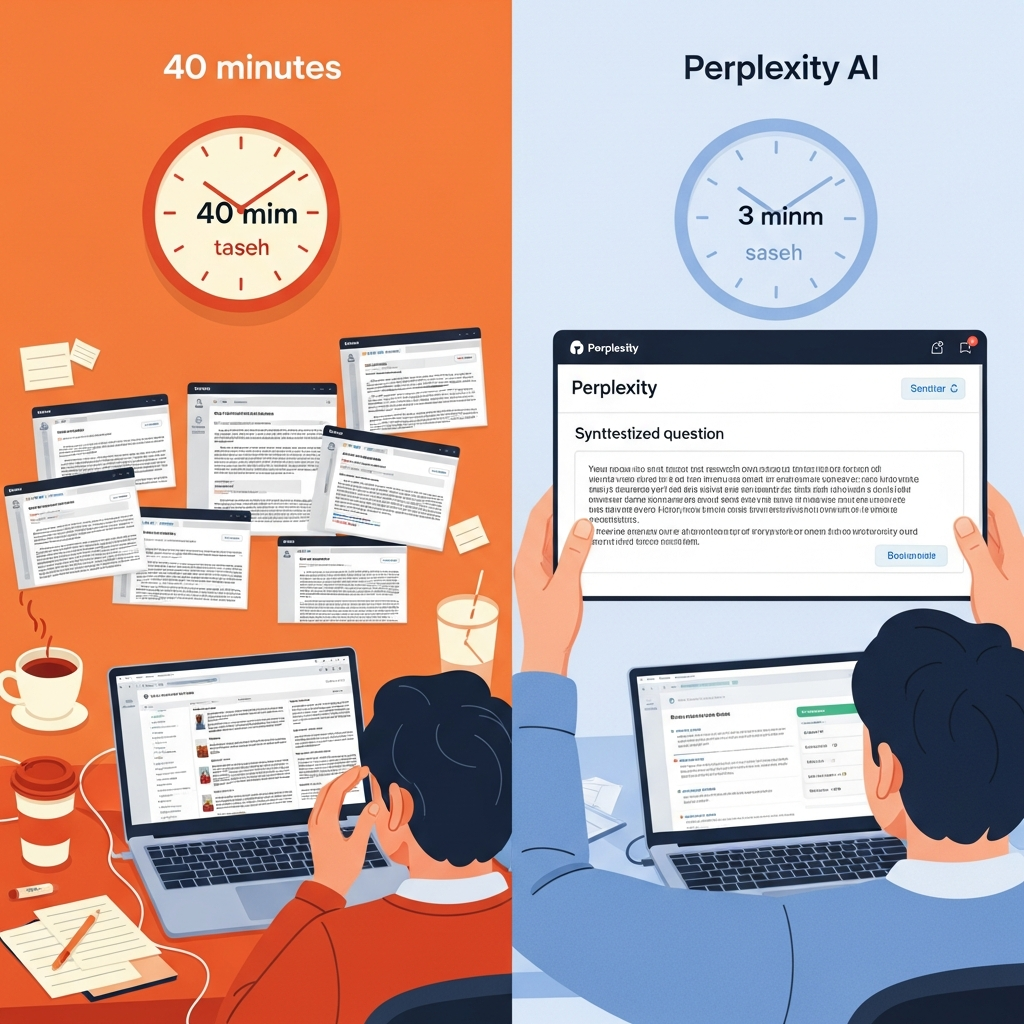
Perplexity cuts research time from 40 minutes of tab-switching to three minutes of synthesised answers with inline citations. A research task that used to require eight open browser tabs completes in a single query.
Most people use it personally. The income opportunity is in offering it as a service. Busy founders, consultants, marketers, and content creators all need accurate research but not the time cost of finding it. Offer a paid research summary service: the client sends a question or a topic, you use Perplexity and NotebookLM to gather and synthesise information, and you deliver a two to three-page brief.
Charge $75–$150 per brief. The tool costs nothing.
NotebookLM
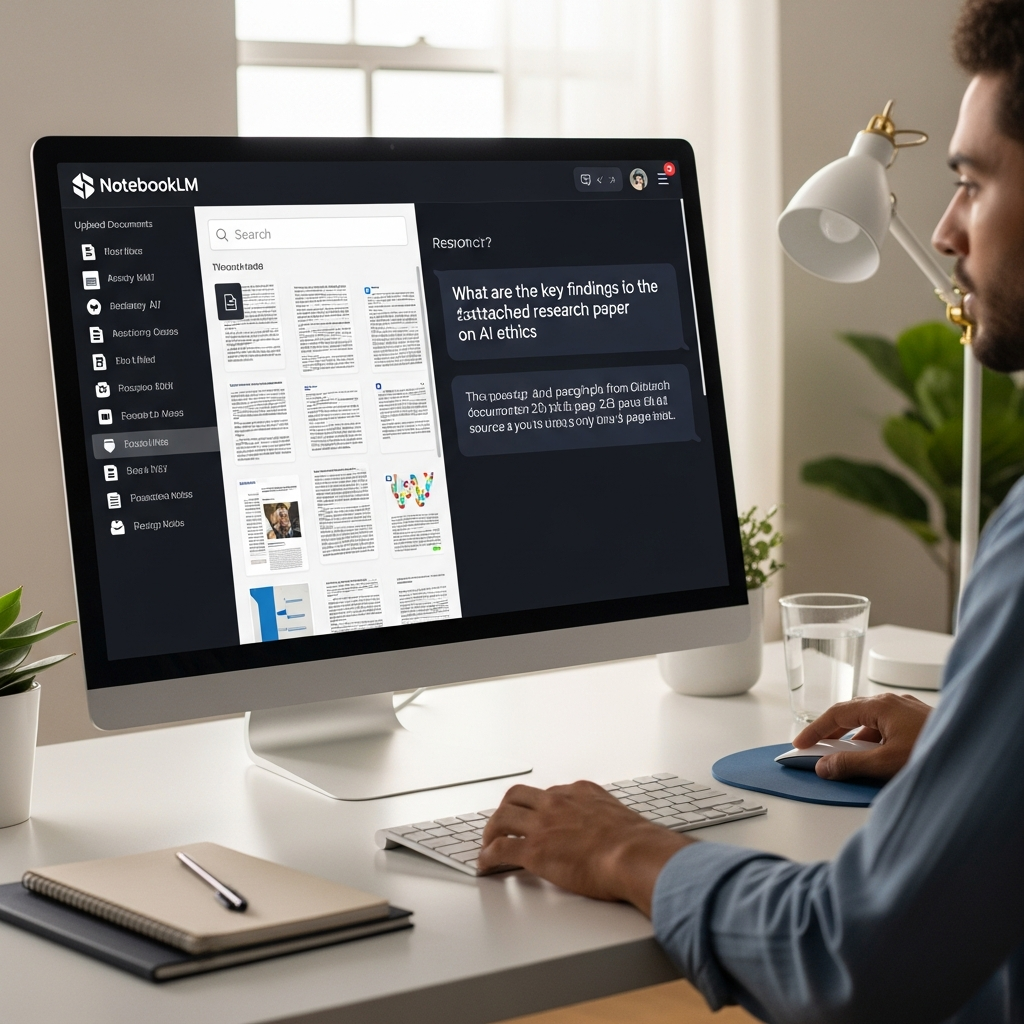
NotebookLM is Google’s document-grounded AI. It is completely free with a Google account and has no meaningful usage limits. Upload up to 50 documents, ask any question, and it answers using only those documents — no hallucination, no invented citations.
This makes it uniquely valuable for client research services. A client uploads their industry reports, competitor analyses, or internal documents. You use NotebookLM to extract key insights and build a structured summary. Deliver in 90 minutes. Charge for the analysis, not the tool.
It also works well for producing deep content on niche topics. Feed it ten reference articles, ask for a comprehensive outline, and let it build a detailed structure grounded entirely in your source materials.
5 Income Systems Built From Free Tools
Lists of tools are not enough. The income comes from combining tools into systems — complete workflows that take an input and produce a sellable output.
| System | Tools Used | Time to First $ | Monthly Range (Month 3) |
|---|---|---|---|
| Faceless YouTube | ChatGPT + ElevenLabs + CapCut | 3–6 months | $300–$5,000 |
| Freelance Writing | ChatGPT + Grammarly free + Google Docs | 1–2 weeks | $1,000–$3,500 |
| Digital Products | ChatGPT + Canva free + Gumroad | 2–4 weeks | $500–$2,500 |
| Pitch Deck Service | Gamma + Canva free | 1–2 weeks | $600–$2,000 |
| Research Summaries | Perplexity + NotebookLM + Google Docs | 1 week | $400–$1,500 |
Faceless YouTube System
ChatGPT writes the script. ElevenLabs reads it aloud. CapCut edits the video with auto-captions and stock B-roll. No face, no camera, no recording setup.
This system earns through YouTube ad revenue once you pass 500 subscribers and 3,000 watch hours — the 2026 YPP threshold. Popular niches include personal finance, AI tool explainers, history, true crime, and productivity. Once monetised, add affiliate links to the description to build a second income layer on the same content.
Freelance Writing System
ChatGPT drafts. You edit, fact-check every statistic, remove generic phrases, and add one specific example to each section. Grammarly’s free tier polishes the grammar. You deliver in Google Docs.
The edit pass is what clients pay for. Raw AI output produces articles worth $10–$20. Edited, fact-checked, voice-matched output produces articles worth $80–$200. The tools are free. The judgment is yours.
Digital Products System
ChatGPT writes the content — ebook text, template copy, Notion system structure. Canva’s free tier formats it into a downloadable PDF. Gumroad hosts and sells it for free, taking a small transaction fee with no monthly charge.
Create once. Sell indefinitely. A well-positioned ebook or template pack covering a specific niche problem can generate passive sales for months from a single afternoon of work.
Pitch Deck Service
Gamma generates the deck from a one-sentence brief. Canva handles any visual refinements. You deliver a polished PDF to the client in under two hours.
Target local businesses preparing for investor meetings, grant applications, or new client pitches. Most of them have no idea how to build a compelling deck. You do — and your tool costs nothing.
Research Summary Service
Client sends a research question or a folder of documents. You run the question through Perplexity for current data and the documents through NotebookLM for analysis. You synthesise both into a clean two to three-page Google Doc.
This service suits marketing directors building competitive intelligence reports, consultants preparing client briefings, and content creators who need expert-level research without the expert-level time investment. Charge $75–$200 per brief and deliver same-day.
Honest Earning Ranges by Method
| Method | Effort Level | Month 1 | Month 3 |
|---|---|---|---|
| Freelance writing | Low–Medium | $200–$800 | $1,000–$3,500 |
| Social media management | Low–Medium | $300–$1,000 | $1,500–$4,500 |
| Digital products (Etsy/Gumroad) | Low | $50–$300 | $500–$2,500 |
| Faceless YouTube | Medium | $0–$100 | $200–$1,500 |
| Pitch deck service | Low | $150–$600 | $700–$2,000 |
| Research summaries | Low | $100–$400 | $500–$1,500 |
| Print-on-demand designs | Low | $50–$200 | $300–$1,500 |
These numbers assume two focused hours of work per day, daily outreach or publishing, and a willingness to edit and refine output before delivery. Month one is always slower. The compounding happens in months two and three when repeat clients and product catalogues start building.
The Upgrade Trigger: When to Stop Using Free Tiers
Free tools work until one specific moment: your output volume consistently exceeds your free tier limit during paid work.
That is your upgrade trigger. Not “when you feel ready.” Not “when you can afford it.” When a specific tool limit stops you from completing a project you are already being paid for.
Upgrade in this order:
ChatGPT first. It touches more tasks than any other tool. When the daily message limit slows your freelance output, the $20/month Plus plan is your first investment.
ElevenLabs second. When voiceover work becomes a regular income source, the $5/month Starter plan is the lowest-cost upgrade on this list.
Canva third. When clients need your brand kit applied consistently or when premium design elements become part of your regular deliverables.
Never upgrade a tool you have not yet used to generate income. Test on free. Earn on free. Upgrade only when free becomes the limiting factor on an existing income stream.
The Service Ceiling and How to Break It
Service income earns fast. A freelance writing client, a pitch deck project, a research brief — all produce cash within days. That speed makes services the right starting point for every beginner.
The problem: services trade time for money. You hit a ceiling when your hours fill up. At that point, income does not grow unless you raise prices or work more hours.
The solution builds on top of services, not instead of them. Once you earn your first $500–$1,000 from service work, you understand what clients actually need. Use that knowledge to create one digital product — a template pack, an ebook, a Notion system that solves the same problem your services solve.
That product uses the same free tools you already know. It sells while you sleep. And it breaks the ceiling that service income alone cannot.
The pattern: services first for fast cash, products second for scalable income. Both built entirely on free tools.
Start With One System This Week
Pick one system from the table above. Not two. One.
Day 1 — Create a free account on each tool in your chosen system. Spend 90 minutes producing one complete sample output. Do not aim for perfect. Aim for finished.
Day 2 — Post that sample publicly on LinkedIn, a niche Facebook group, or a relevant Reddit community. Write one sentence describing what you do and who it helps. Send three cold outreach messages to local businesses.
Day 3 — Ask one person who responds for specific feedback on your sample. Revise the sample based on that feedback. Send three more outreach messages.
Week 2 — Set a price. Pitch five potential clients. Close your first paid project.
The tools are free. The system takes one week to build. The only variable is whether you show up every day and do the work instead of reading another guide.
Pick your system. Create your first sample today.